
Living with an autoimmune condition and wondering if nutrition can actually help?
An autoimmune diagnosis changes everything — and often comes with more questions than answers. I support women with autoimmune conditions to reduce inflammation, support gut health, and build a way of eating that works alongside their diagnosis, not against it.
I also have Crohn's disease — so I understand this from both sides of the consultation.
The reality of living with an autoimmune condition
Eczema or dermatitis that flares unpredictably
Acne that returns despite treatments or medication
Skin that feels reactive — to food, stress or your environment
Redness, inflammation or skin that won't settle
Breakouts that worsen around your period
Gut symptoms that seem to travel alongside skin flares
A feeling that certain foods trigger your skin but you can't pinpoint which
Years of treating the surface without ever addressing the cause
I know what it’s like because I lived it
Nearly twenty years ago, I was discharged from hospital with a diagnosis of Crohn's disease. It had taken eighteen months, countless GP and hospital visits, a misdiagnosis and three stone of weight loss before anyone took what I was dealing with seriously. For a long time I was told it was probably just IBS, or stress, or a young woman being dramatic. It wasn't. What followed was years on azathioprine and steroids, with relapsing and remitting flare ups I couldn't predict or control.
Eventually I decided to look into it myself. That search led me to a nutritional therapist, and she was the first person to help me understand that my body wasn't a set of separate problems to manage one by one. Every system, gut, immune, hormonal, nervous, works together, and real change meant looking for the root cause rather than just suppressing symptoms. That shift in thinking changed everything. With time, patience and a lot of learning, I changed how I ate and lived. I'm now in remission, my colonoscopies are clear, and I'm off all medication.
That experience is why I do this work the way I do. I'm not only bringing clinical knowledge, I'm bringing what I had to learn firsthand to get my life back. When a client with an autoimmune condition sits across from me, I understand the fear, the exhaustion and the frustration of being told everything looks normal when it doesn't feel that way at all. That's part of every plan I build.
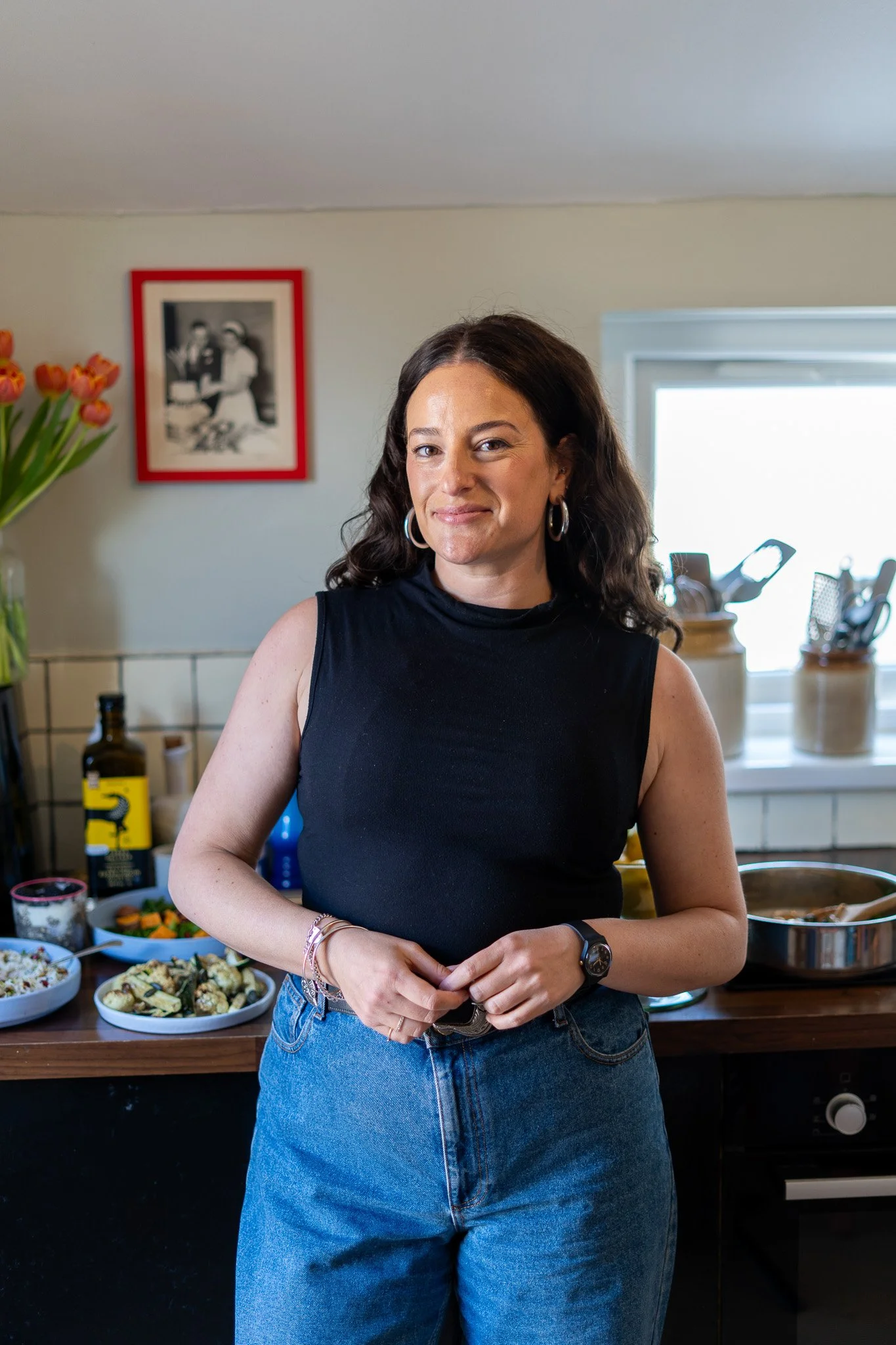
Molly Love — BANT registered nutritionist, living with Crohn's disease

This is me just out of hospital in 2011
How I approach autoimmune nutrition
Gut health first — the majority of the immune system lives in the gut, and gut dysbiosis and intestinal permeability are consistently implicated in autoimmune disease. Restoring gut balance is almost always the foundation.
Reducing dietary inflammation — identifying and removing foods that drive immune activation and inflammation, not through blanket elimination but through a systematic, evidence-informed approach tailored to you.
Nutritional deficiencies — autoimmune conditions and the medications used to treat them commonly deplete key nutrients: vitamin D, B12, zinc, magnesium, iron, and omega-3s. Restoring these properly makes a measurable difference.
Stress and the nervous system — chronic stress both triggers and worsens autoimmune flares through the HPA axis and its effect on immune regulation. The nervous system is part of this picture and I work with it as part of my trauma-informed approach.
I don't replace your specialist or GP, and I always encourage clients to keep them informed of any significant changes. My role is to optimise the nutritional and lifestyle foundations that medication alone doesn't address."

"Molly has been incredibly helpful in guiding me in the right direction following my diagnosis. I could not recommend her and her consultations enough."
— El, S. Wales
Common Questions
-
Any significant dietary changes when you're on immunosuppressants should be made carefully, and it's worth keeping your specialist informed of anything you change. I work within the parameters of your existing treatment, and nutritional support for autoimmune conditions doesn't have to mean dramatic dietary overhauls, often the most impactful changes are more targeted than that.
-
The Autoimmune Protocol diet can be a useful tool for some people, but it's highly restrictive and not always the right starting point. I take a more personalised approach — identifying your specific inflammatory triggers and nutritional gaps rather than applying the same protocol to everyone. The goal is the least restriction that delivers the most benefit for you individually.
-
Yes, often significantly. Being medically stable doesn't mean feeling well — many people with well-controlled autoimmune conditions still struggle with fatigue, brain fog, nutritional deficiencies and quality of life. Nutritional support addresses these gaps and can help you feel substantially better even within a stable disease picture.
-
Start with a conversation. A new diagnosis is a lot to take in and the last thing you need is a long list of dietary changes thrown at you. My approach is to meet you where you are — we'll look at the most impactful foundations first and build from there at a pace that feels manageable. You don't have to do everything at once.
Other Conditions
Gut health and IBS
Hormonal imbalance
Skin health and inflammation
You deserve support that understands what you're actually going through
Book a free 15-minute call. We'll talk through your condition, your symptoms, and what nutritional support might look like for you — with no pressure and no overwhelm.